
Modern classrooms are filled with students who each process and respond to information differently. Recognizing how students’ sensory systems affect learning is key to creating an environment where every child can thrive.
Understanding Learning Through the Senses
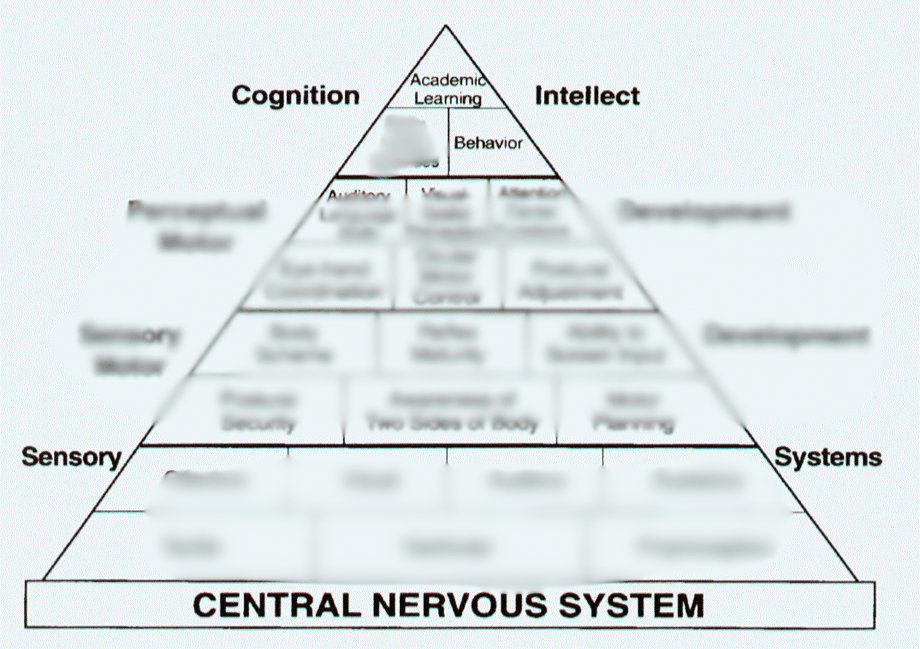
Learning involves multiple systems is the body to working together. While we often think of the five traditional senses sight, hearing, touch, taste, and smell, there are additional internal senses that play a critical role in learning:
Proprioception: Awareness of the position and movement of our bodies and limbs.
Vestibular: Sense of balance and visual spatial awareness.
Interoception: Awareness of internal body signals such as hunger or having to use the bathroom.
These systems help students interpret and respond to their surroundings, influencing their behavior, attention, and overall engagement in the classroom.
Behavior and Sensory Processing
Students’ reactions vary to sensory input. Some may be over-responsive, becoming easily overwhelmed by classroom sounds, or accidental bump from another peer. Others may be under-responsive, seeking more intense sensory stimulation to stay engaged, like fidgeting. Observing how students interact with their environment can reveal valuable insights into their sensory systems and needs.
Some common sensory inputs in the classroom:
Transitions: Shifting from recess back to class.
Stationary Tasks: Working at the table for long periods of time may be challenging for students needing more sensory input.
Environmental Stimulation: Noisy or visually busy spaces can overstimulate some students.
Creating a Supportive Sensory Smart Classroom Environment
The goal is to help students stay present, regulated, and ready to learn. Teachers can support this by:
- Adapting the environment to meet the needs of students’ nervous systems.
- Providing spaces where students can take a break if overwhelmed.
- Creating multi-sensory instructions to engage students.
Understanding that your students regulation, sensory, and attention needs are related, is a crucial step in fostering a classroom where everyone can succeed. By observing behaviors, recognizing patterns, and adjusting the learning environment, educators can empower students to stay engaged, focused, and confident.
If you’d like to learn more about the Sensory Smart Classroom professional development training workshop, email us.

 Sensory Smart Classroom
Leave a comment